Rise of wellness and digital savvy reshapes modern beauty preferences, report finds
Sign up to receive our email newsletters with the latest news updates and insights from Africa and the World HERE.
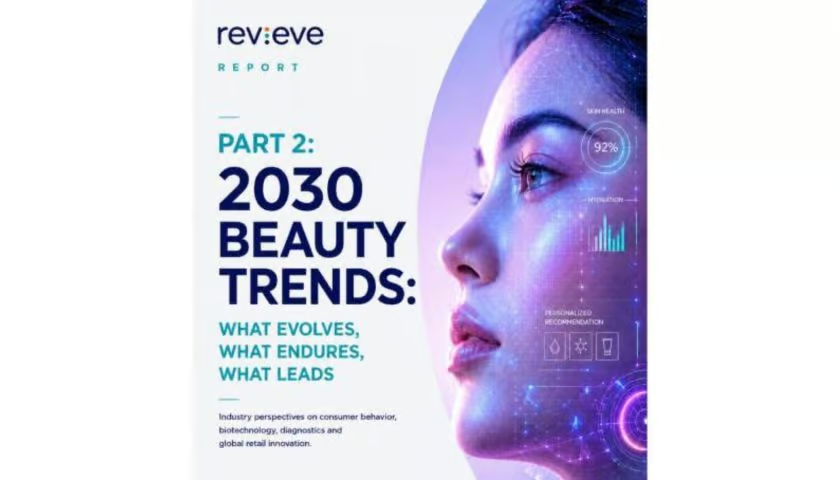
USA – According to a report by Revieve, beauty shoppers are expected to become more informed, proactive and empowered by 2030, with artificial intelligence, biotechnology, diagnostics and wellness redefining how consumers discover and purchase products.
The report, which includes insights from Tropic Skincare, The Inkey List, Farmacias del Ahorro, MatsukiyoCocokara & Co., DR’s Secret and Paula’s Choice Taiwan, examines the forces expected to shape beauty retail over the coming years.
The modern consumer is increasingly researching ingredients, comparing product claims and seeking solutions that match individual skin concerns, lifestyles and personal goals.
This is reducing reliance on trial-and-error purchasing and increasing demand for clear information, credible recommendations and products that demonstrate meaningful results.
Irene Liu, product and regulatory affairs manager, Paula’s Choice Taiwan, stated, “Consumers are becoming more knowledgeable about skin care ingredients.”
“Whereas they once focused solely on efficacy, packaging materials and even sustainability. This shift reflects how empowered today’s shoppers really are.”
AI-powered skin analysis, digital diagnostics and personalised recommendation platforms are expected to become central to the shopping journey.
These tools can help consumers understand their skin, identify suitable products and build routines rather than simply select individual items.
Guided experiences, including skin assessments, quizzes and virtual try-ons, are also becoming important entry points for beauty discovery.
The report further highlights the continued convergence of beauty and wellness. Consumers are increasingly viewing skin health, appearance, and overall well-being as interconnected, prompting demand for more holistic routines and long-term care solutions.
Biotechnology is also expected to influence product development through advances in microbiome research, bio-fermentation, regenerative skincare and laboratory-created ingredients.
These innovations may support more targeted formulations, improve resource efficiency and provide alternatives to conventional ingredients.
Diagnostics, wearable technologies and real-time skin insights could make beauty routines more adaptive. Instead of relying on a fixed skin assessment, consumers may receive recommendations that respond to changes in their skin, environment and lifestyle.
Companies will need to combine effective products with education, personalisation, transparent data practices and locally relevant recommendations.
By 2030, the strongest beauty businesses may be those that use technology to simplify decision-making and strengthen consumer control.
According to Revieve, the future shopper is not merely receiving marketing messages but actively evaluating information, seeking evidence and helping shape a personalised beauty experience.
Sign up to receive our email newsletters with the latest news updates and insights from Africa and the World HERE.