
USA beauty sectors show even growth in Q1 FY26, report shows
Unit sales in both segments also rose in the low single digits, indicating sustained consumer demand.
USA – The U.S. beauty market showed balanced growth in the first quarter of 2026, with both prestige and mass retail channels posting even gains according to Circana data. This marks the first time in five years that mass and prestige beauty have expanded at nearly identical rates.
Prestige retail dollar sales climbed 6% to USD 8.1 billion compared to Q1 2025, while mass retail sales advanced 7% to USD 18.1 billion.
Growth stemmed largely from value-driven purchases, in which dollar increases exceeded unit volume due to premiumization and careful spending choices.
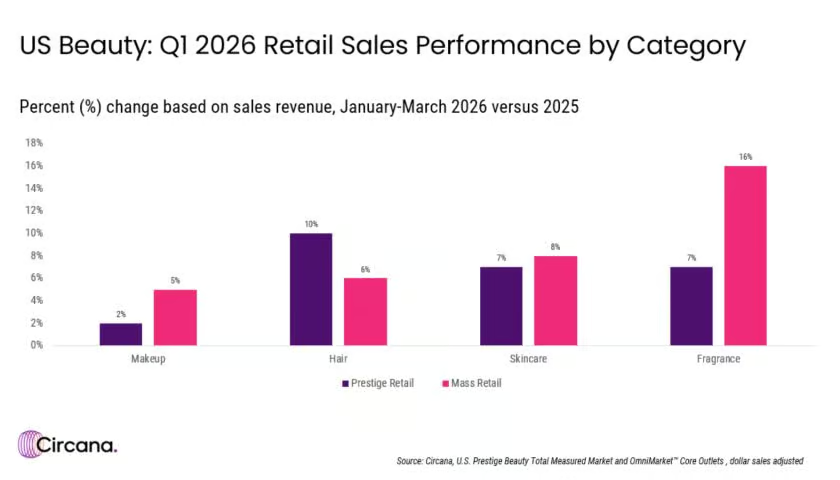
Fragrance led as a top performer across channels, boosted by strong women’s scents in mass and luxury formats, plus minis in prestige.
Skincare provided reliable expansion, with prestige facial care, including creams, serums, and eye treatments, driving most gains, and clinical brands claiming over a third of dollars; mass saw broad strength in face and body products.
Hair care split by channel: prestige surged via treatments, while mass benefited from value shampoo-conditioner packs; makeup lagged with flat units despite modest dollars, though lip treatments, liners, blush, and bronzers shone.
According to the report, the performance was driven by consumers focused on self-care, elevated routines, and wellness products such as hair treatments, body lotions, and washes, prompting multichannel shopping for effective, affordable options.
Larissa Jensen, Circana’s global beauty advisor, stated, “Fragrance, facial skincare, hair treatments, and personal care products like body lotion and wash continue to benefit from consumers prioritizing self-care, elevated routines, and wellness driven products.”
“We expect these areas to remain strong this year, as shoppers continue to shop across channels, seeking affordable yet high performing beauty products that feel good and work well.”
E-commerce outpaced physical stores in prestige across categories, capturing nearly half of skincare dollars and most units.
Jensen added, “For both established players and smaller brands, success increasingly hinges on how effectively digital and social plans are embedded into marketing and product strategies.”
“Rather than optional or additive, these platforms must be foundational to how brands build relevance, drive demand and scale growth.”
Social commerce accelerated via TikTok Shop, which grabbed 20% of its Q1 spending from beauty and now holds 10% of total beauty online sales since its 2023 U.S. launch.
Sign up to receive our email newsletters with the latest news updates and insights from Africa and the World HERE.

